
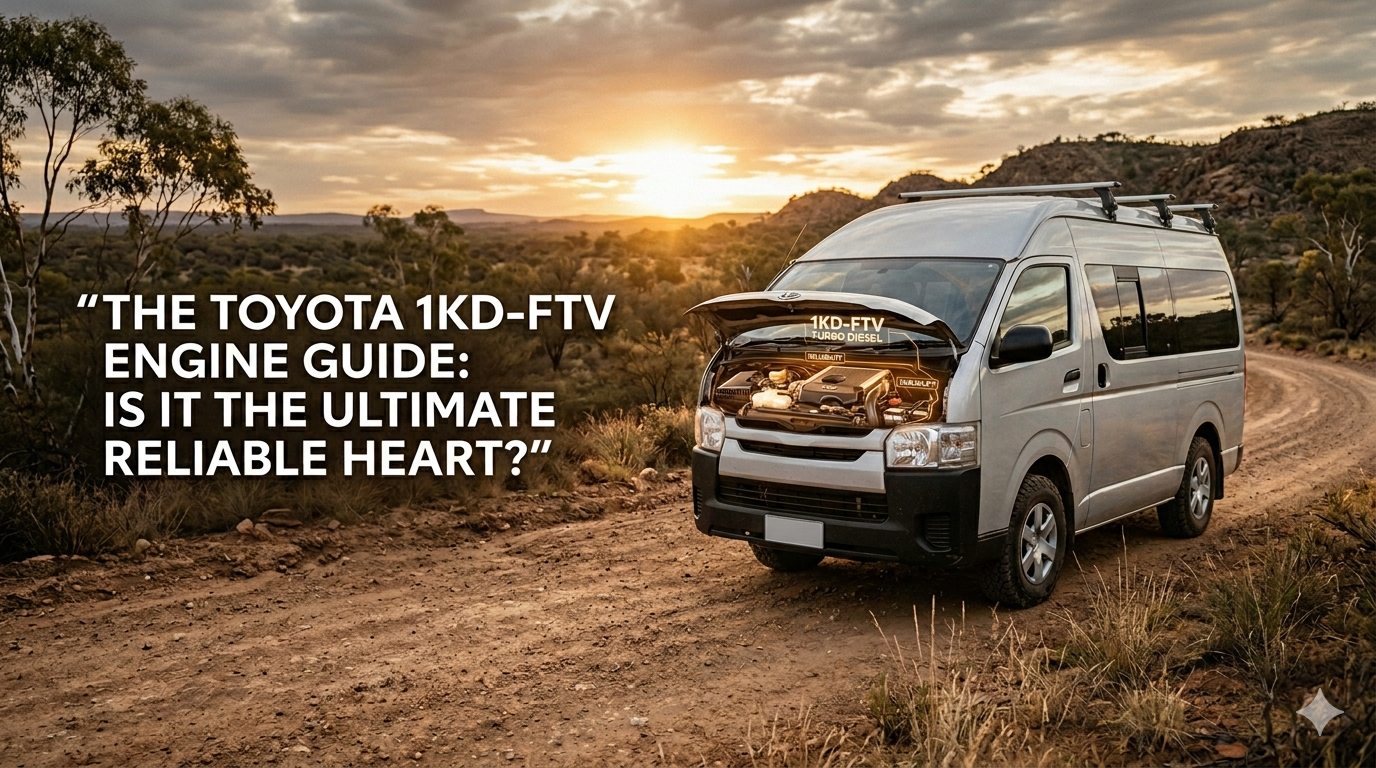
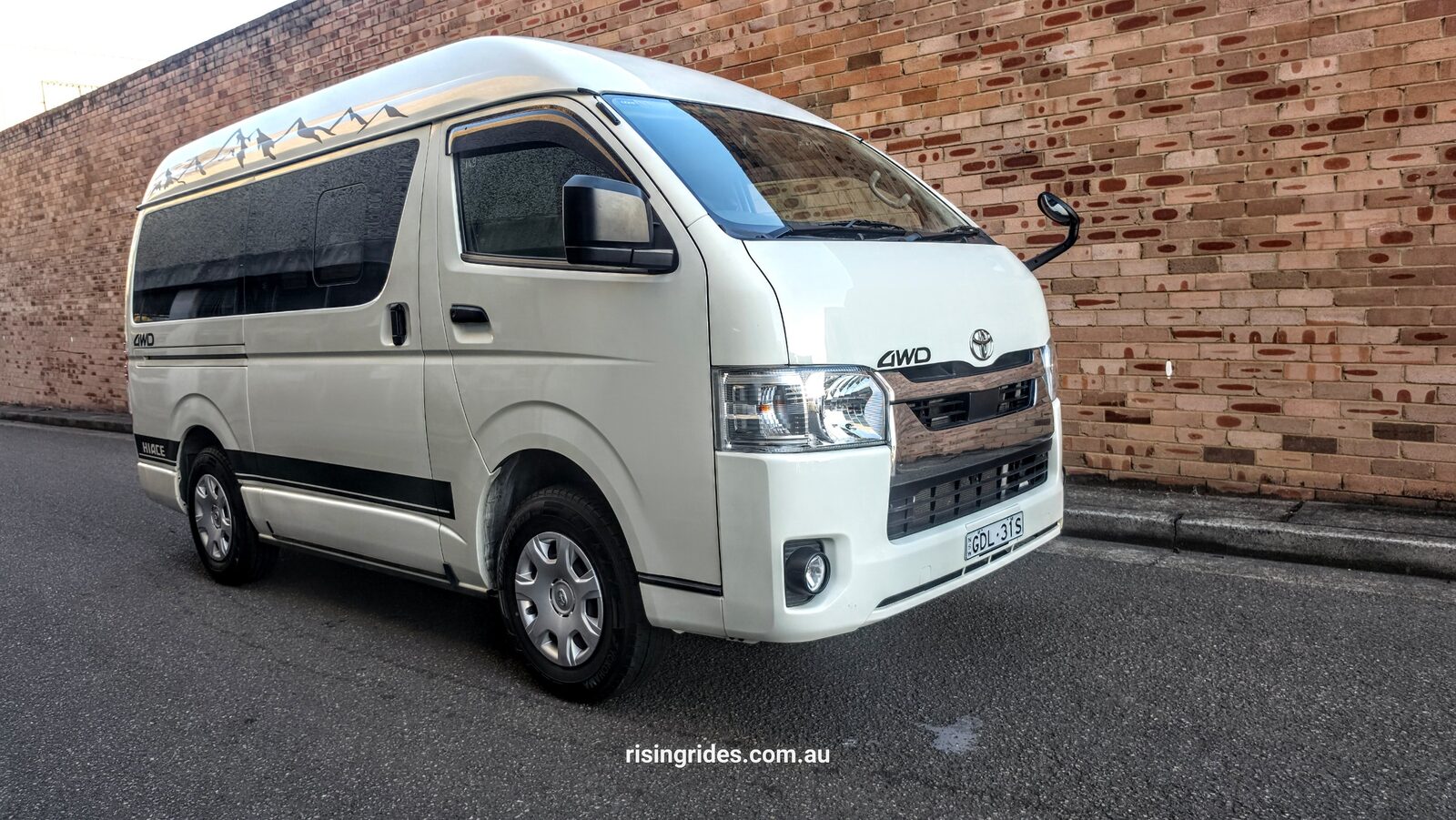
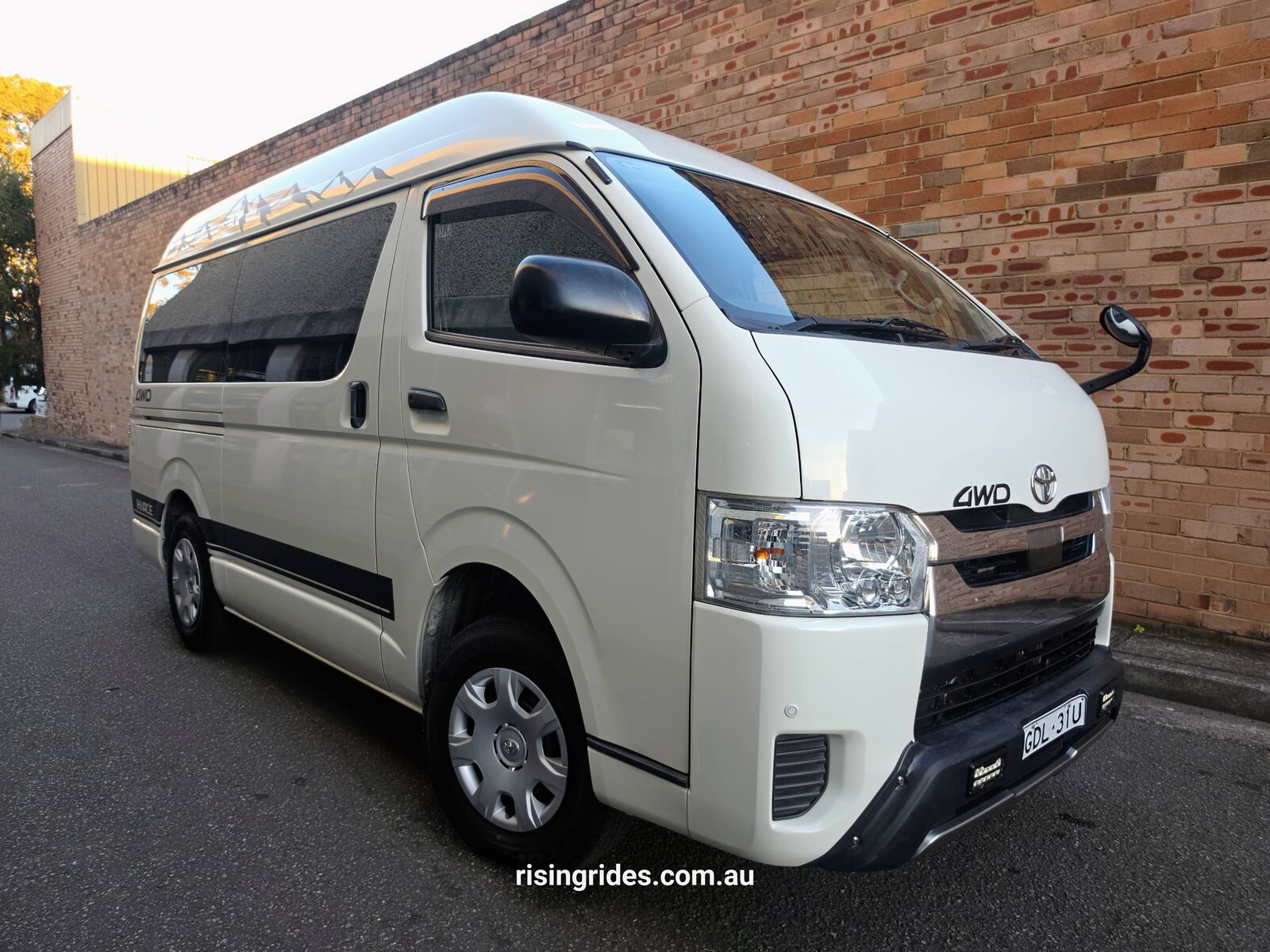
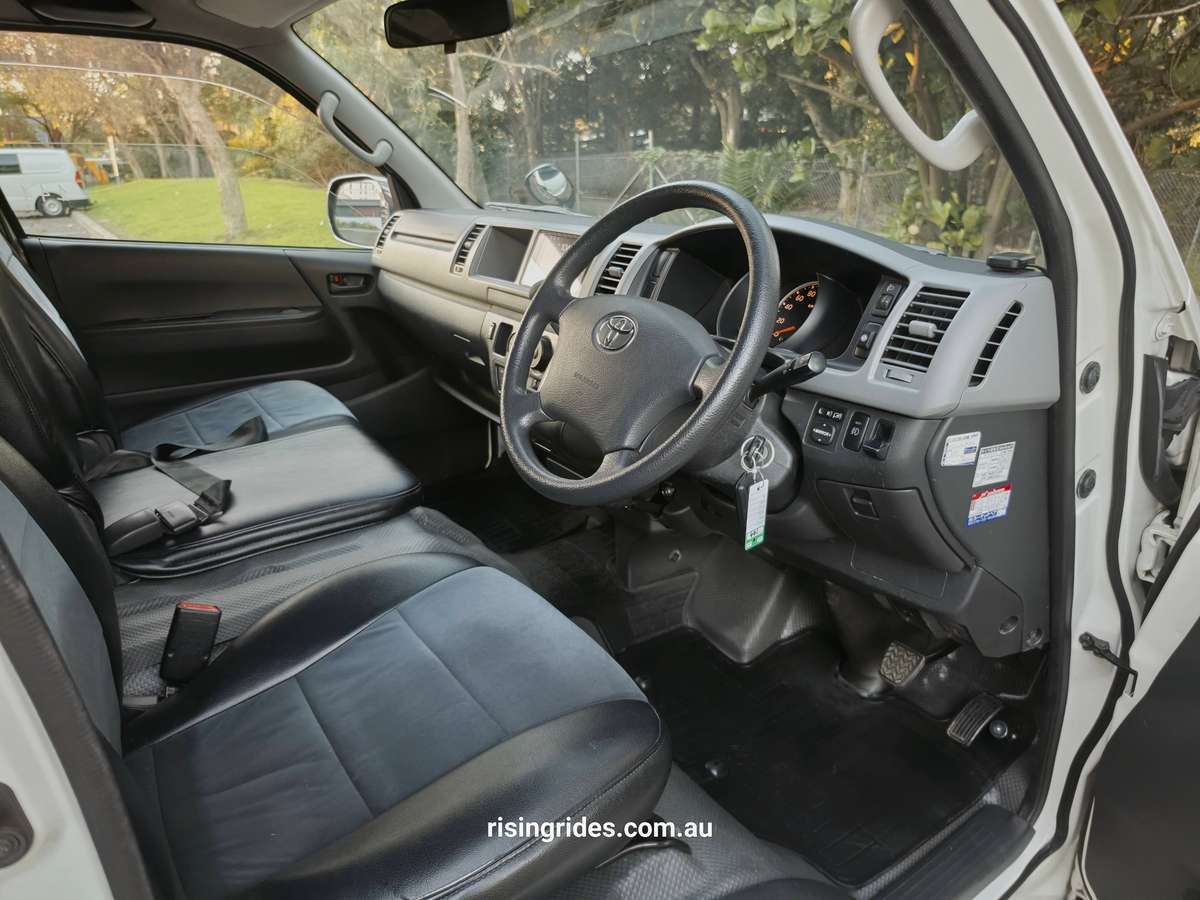
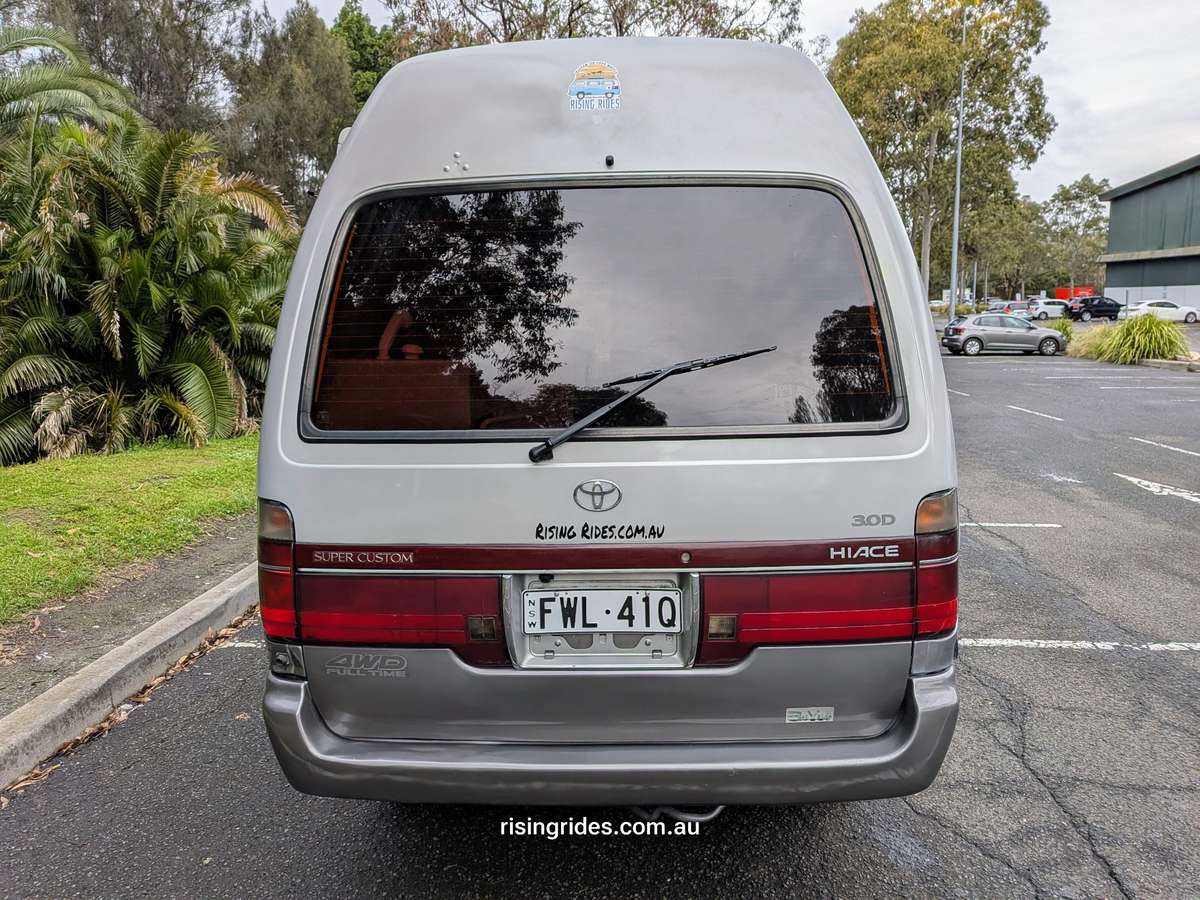
The Toyota 1KD-FTV is one of the most talked-about diesel engines in the Australian 4WD community — and for good reason. Fitted to the HiAce, Land Cruiser Prado, Hilux and Fortuner, it powered a generation of serious workhorses. But is it actually reliable? What are its known issues? And how does it stack up against Toyota's newer 1GD-FTV? This is your complete guide.
What Is the Toyota 1KD-FTV?
Introduced in July 2000, the 1KD-FTV was Toyota's answer to growing demand for a powerful, fuel-efficient diesel capable of handling heavy loads and challenging terrain. It replaced the older 1KZ-TE mechanical diesel and represented a major technological leap — bringing common rail direct injection, variable geometry turbocharging, and electronic engine management to Toyota's light truck and SUV lineup.
The "FTV" stands for Four-stroke Turbocharged, Variable nozzle. It is also widely known by its European marketing name: the 3.0 D-4D. For over a decade it powered some of Toyota's most iconic workhorse vehicles — making it one of the most widely serviced diesel engines in Australia, Southeast Asia, Africa and the Middle East.
In Australia the most common place you'll find a 1KD-FTV is in the HiAce KDH series and the Hilux. If you're buying a used HiAce in Australia, there's a strong chance you'll encounter this engine in vans built between 2004 and 2013.
1KD-FTV Engine Specifications
- Engine Code: 1KD-FTV (Toyota 3.0 D-4D)
- Displacement: 2,982 cc (3.0 Litre)
- Configuration: Inline-4, DOHC, 16 Valve
- Production Years: 2000 – 2015
- Max Power: 134 – 188 hp @ 3,400 rpm
- Peak Torque: 300 – 420 Nm @ 1,400–4,000 rpm
- Block / Head: Cast Iron Block / Aluminium DOHC Head
- Bore × Stroke: 96.0 mm × 103.0 mm
- Compression Ratio: 15.0:1 – 17.9:1
- Turbocharger: Toyota CT16V Variable Nozzle (VNT) — max 1.1 bar boost
- Fuel Injection: Toyota D-4D Common Rail Direct Injection (30–160 MPa)
- Oil Capacity: 7.0 litres including filter
- Recommended Oil: 5W-30 or 10W-30 — API CI-4 or higher
- Estimated Lifespan: 300,000 – 400,000 km with proper maintenance
Which Vehicles Use the 1KD-FTV?
The 1KD-FTV was fitted across Toyota's core heavy-duty lineup for over a decade:
- Toyota HiAce — KDH200 Series (2004–2015)
- Toyota Hilux — AN10 / AN20 / AN30 Series (2004–2015)
- Toyota Land Cruiser Prado — J120 Series (2002–2009)
- Toyota Fortuner — AN50 / AN60 Series (2004–2015)
- Toyota Hilux Surf (4Runner) — 2002–2009
- Toyota Land Cruiser 120 — Japanese domestic market
How the 1KD-FTV Works
Cast iron block, aluminium head. Toyota used a deep-skirt cast iron cylinder block for strength and rigidity, paired with a high-strength aluminium DOHC cylinder head. Two counter-rotating balance shafts driven by the crankshaft gear suppress vibrations, giving the 1KD surprisingly refined manners for a 3.0L four-cylinder diesel.
Common Rail D-4D Injection. The heart of the 1KD is Toyota's D-4D system — an electronically controlled common rail setup with rail pressures between 30 and 160 MPa. Eight-hole injectors deliver precise fuel atomisation for improved combustion efficiency and power delivery far beyond older indirect injection systems.
CT16V Variable Nozzle Turbocharger. The CT16V turbo uses variable geometry — adjustable vanes that change the exhaust gas flow angle to optimise boost across the rev range. This delivers strong low-end torque without the lag common in older fixed-vane turbos. Maximum boost is 1.1 bar (16 psi).
Forged internals. Inside the block, a forged crankshaft with eight balance weights and five main journals handles the considerable torque loads. Aluminium alloy pistons feature resin-coated skirts to reduce friction. Piston cooling is managed by oil jets at the base of the block.
The 1KD-FTV was engineered for utility first. Toyota tuned it conservatively — optimising for low-end torque, durability under continuous load, and longevity in remote conditions with variable fuel quality. That's exactly why it became the engine of choice across Australian mining, agriculture, and outback travel.
Common Problems to Watch For
The 1KD is a capable engine but it has a handful of well-documented issues. Most are manageable with good maintenance or limited to specific production years.
Cylinder Head Cracking — Most Serious
Primarily affects early models from 2000 to 2007. Thermal stress and casting weaknesses in early heads can cause cracking — often triggered by cooling system neglect or sustained overheating. Symptoms include coolant loss, white exhaust smoke and engine overheating. Toyota addressed this with an updated casting under service campaign TSC-KD1-01. Always verify the head has been inspected or replaced on pre-2008 examples before buying.
EGR Valve Carbon Clogging — Common and Preventable
Carbon build-up in the Exhaust Gas Recirculation system is extremely common in higher-mileage engines or vehicles with infrequent servicing. Symptoms include rough idle, reduced power and increased smoke from the exhaust. Regular cleaning or replacement of the EGR valve as part of scheduled servicing prevents this from becoming a costly problem.
Fuel Injector Failure — Expensive If Ignored
Even on clean diesel, injectors can begin to degrade around 120,000 to 150,000 km. Copper seats under injectors on 2004 to 2007 models are particularly known to fail. Signs include rough cold idle, heavy fuel consumption, knocking noise at start-up and white smoke. Replacement is necessary once they go, and costs can be significant. Early detection is key.
Turbocharger Wear — Oil-Change Dependent
The CT16V turbo can fail due to oil starvation — typically caused by infrequent oil changes or using the incorrect oil grade. Signs include loss of power, excessive smoke and unusual noise from the turbo. Regular oil changes with the correct grade are the single biggest prevention factor.
DPF Blockage — Urban Drivers (Euro 4+ Models)
Later Euro 4 models fitted with a Diesel Particulate Filter are prone to blockage on vehicles used primarily for short urban trips. DPF regeneration requires sustained highway speeds. A well-known and frustrating problem that led Toyota to redesign the system in later production runs.
Oil Consumption — Minor, Monitor It (Pre-2014)
Some pre-2014 engines consume more oil than expected. Toyota addressed this in 2014 with reshaped pistons and updated oil jets. Not a terminal issue — just check oil levels regularly between services on earlier examples.
Recommended Maintenance Schedule
- Engine oil and filter: Every 10,000 km. Use 5W-30 or 10W-30 (API CI-4 or higher). Critical for turbo and injector protection.
- Fuel filter: Every 20,000 to 40,000 km. More frequent with variable fuel quality. Protects the high-pressure injection system.
- EGR system inspection: Every 40,000 km. Clean or replace if carbon build-up is detected.
- Timing belt: Every 100,000 km. This is an interference engine — a timing belt failure causes catastrophic internal damage. Do not delay under any circumstances.
- Coolant flush: Every 80,000 km. Critical given the cylinder head cracking history on early models. Never ignore overheating warning signs.
- Turbocharger inspection: Every 60,000 km. Check oil supply lines are clear. Allow 2 to 3 minutes cool-down time before shutting off the engine after hard driving.
- Injector check: Every 80,000 km. Especially important on pre-2008 models. Early detection prevents expensive common rail damage.
1KD-FTV vs 1GD-FTV: Which Engine Is Better?
The 1KD-FTV was progressively replaced by the newer 1GD-FTV 2.8L diesel from around 2015 onwards — the engine you'll find in newer HiAce GDH226K models, the current Hilux and the Prado 150. Here's how they compare:
1KD-FTV (3.0L):
- Power: 134–188 hp
- Torque: 300–420 Nm
- Emission standard: Euro 3/4
- Fuel efficiency: Moderate
- Parts availability: Excellent — widely available across Australia
- Production: 2000–2015
1GD-FTV (2.8L — Newer):
- Power: 150–204 hp
- Torque: 400–500 Nm
- Emission standard: Euro 5/6
- Fuel efficiency: Approximately 15% better than the 1KD
- Parts availability: Good and growing
- Production: 2015–present
The newer 1GD-FTV wins on paper — it's more powerful, more fuel-efficient and meets tighter emissions standards. But the 1KD's parts are widely available and deeply understood by diesel mechanics across Australia. Whether you're considering a GDH226K with the newer 1GD or an older KDH HiAce with the 1KD, both are legitimate choices for different buyer profiles. Read our full Toyota HiAce review to help you decide which suits your needs.
Our Verdict: Is the 1KD-FTV Worth Buying?
The 1KD-FTV has a genuine track record of reaching 300,000 to 400,000 km when properly maintained. Its issues are well-documented, well-understood and mostly preventable with good servicing discipline.
Avoid early 2000 to 2006 examples unless you can verify the cylinder head has been inspected or replaced. From 2008 onwards the engine is substantially more sorted. The things that consistently kill 1KDs are neglected oil changes, poor fuel quality, ignored cooling systems and extended short-trip urban driving on DPF-equipped models.
A 1KD with a solid service history from an honest seller is a sound investment. That's exactly the standard we hold every vehicle to at Rising Rides — full transparency on what we know, honest disclosure on what we don't. Check our used HiAce buying guide before you commit to any purchase.
We are a boutique dealership based in Lidcombe, Western Sydney. We source our vehicles directly from Japanese auctions — which means you get vans with known histories, genuine odometers, and the build quality that Japanese domestic market buyers expect. Every vehicle goes through a thorough mechanical inspection before it's offered for sale. If you're looking for a HiAce with a solid engine history, we'd love to help.