
Planning an epic road trip across the vast Australian landscape is a dream for many travellers. However, keeping your travel costs down is essential to ensure your adventure lasts as long as possible. Learning the best tips for improving fuel efficiency on a small motorhome can make a massive difference to your wallet.
By making minor adjustments to your driving style and keeping up with regular maintenance, you will notice significant savings at the pump. Understanding how your vehicle performs helps you get the most out of every litre while exploring our beautiful country.
Whether you are navigating the coast or heading into the outback, these small camper van fuel economy tips will help you travel further. Let's dive into how you can optimise your rig for the open road.
Key Takeaways
- Check your tyre pressure regularly to reduce rolling resistance.
- Remove unnecessary weight from your vehicle to save on petrol.
- Maintain a steady speed to avoid heavy acceleration.
- Keep your engine well-serviced for peak performance.
- Plan your route to avoid heavy traffic and steep inclines.
- Start with a fuel-efficient base vehicle, like a well-specced 4WD HiAce from Rising Rides.
Start With the Right Vehicle
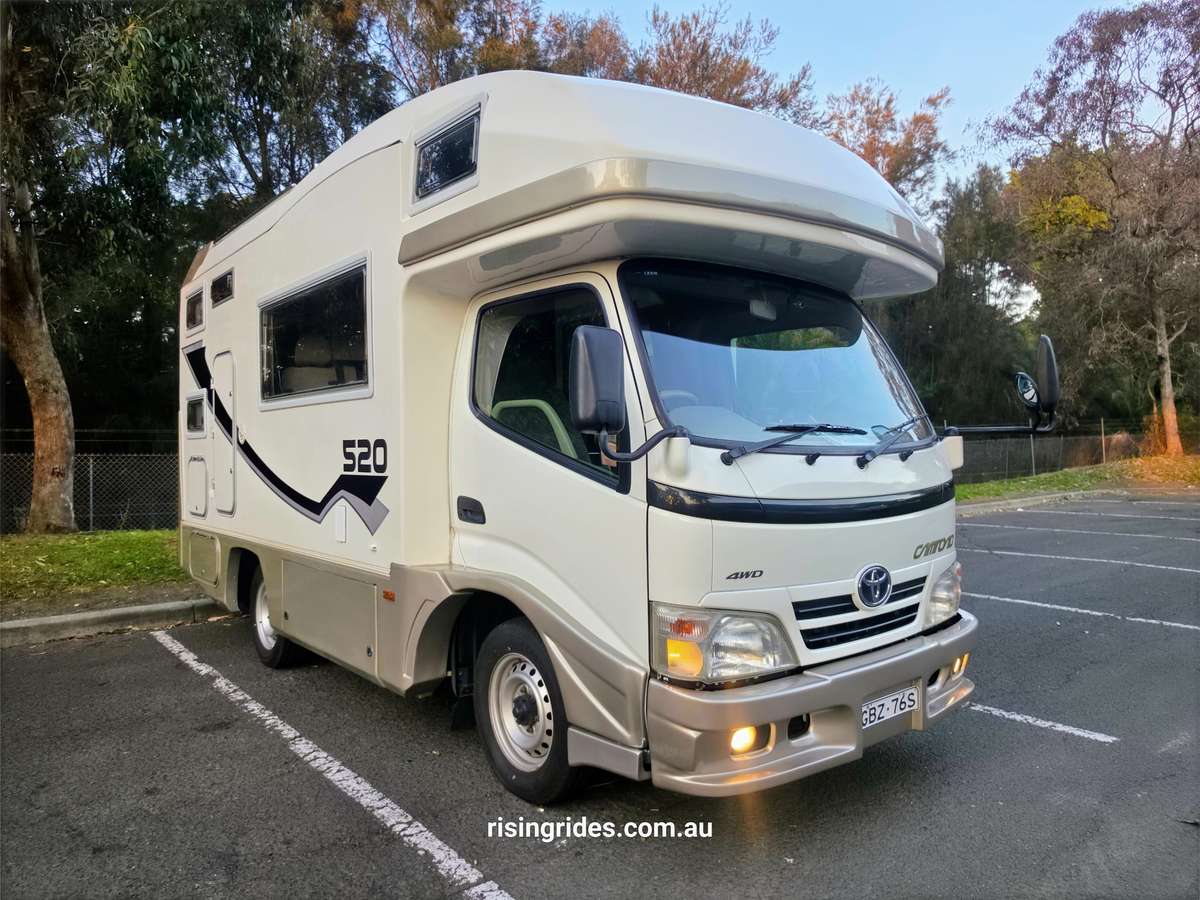
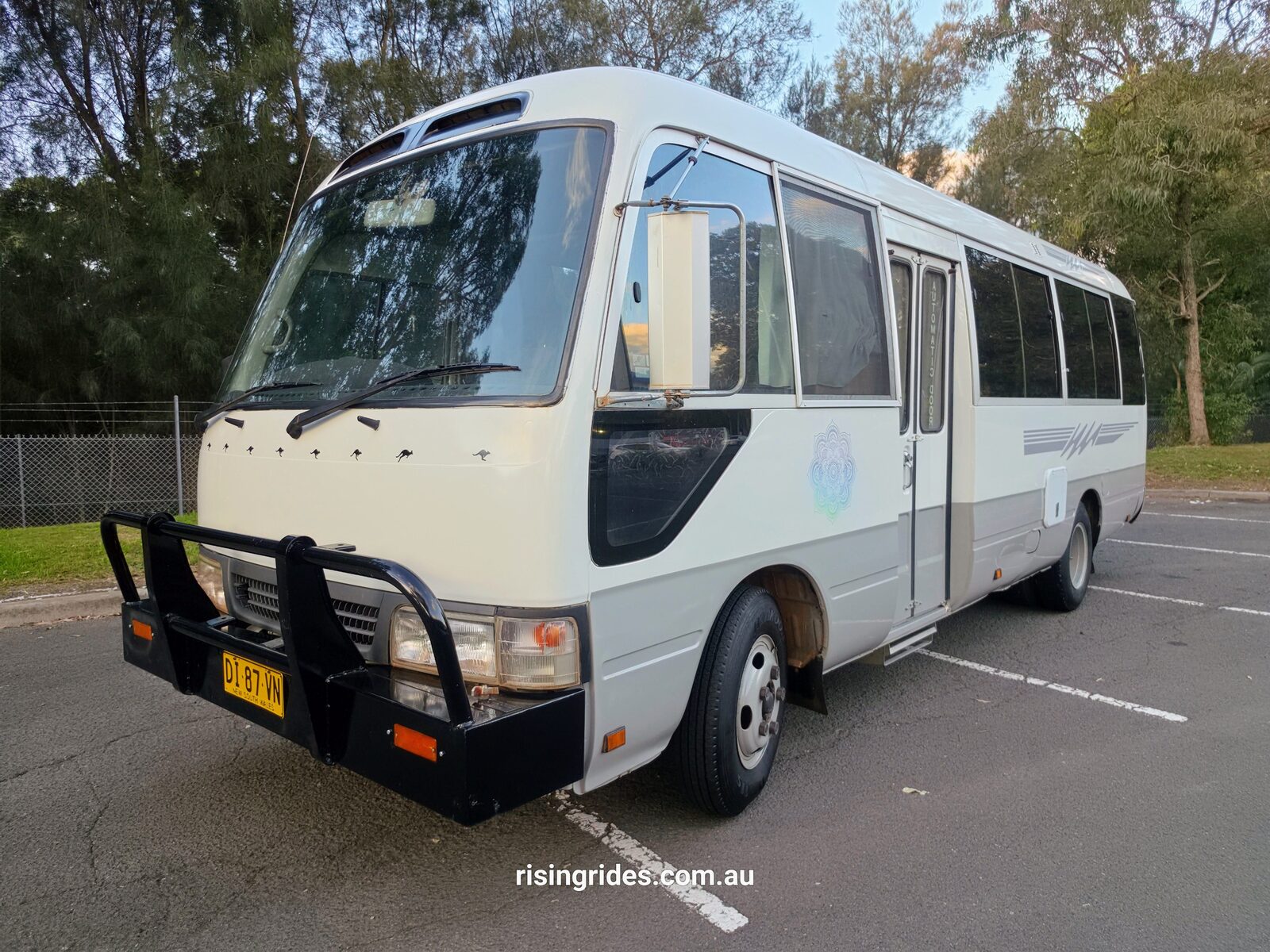
Before diving into driving habits and maintenance schedules, it is worth pointing out that fuel efficiency begins with the vehicle you choose. At Rising Rides, Sydney's boutique 4WD HiAce specialists based in Lidcombe, every van in their stock list is a premium imported Japanese vehicle known for their reliability, compact dimensions, and relatively efficient engines compared to larger motorhomes.
A well-maintained, right-sized vehicle like a Toyota HiAce campervan is far easier to keep fuel-efficient than an oversized rig. If you are still searching for the perfect base for your road trip adventures, browse their current stock to find a van that suits your lifestyle and budget.
Understanding the Factors That Influence Fuel Consumption
Every small motorhome has unique physical traits that impact its overall fuel economy. If you want to improve fuel efficiency, you must first understand the mechanical reality of your vehicle. These fundamental characteristics dictate how much energy is required to keep you moving down the highway.
Engine Displacement and Vehicle Weight
The size of your engine, known as displacement, is a primary driver of fuel usage. A larger engine typically requires more fuel to generate the power needed to move a heavy chassis. Weight is the enemy of efficiency, as every extra kilogram forces the engine to work harder during acceleration and hill climbs.
When you pack your motorhome, remember that mass directly correlates to fuel burn. Keeping your load light is one of the most effective ways to ensure your engine operates within its optimal range. A smaller, well-maintained engine often provides better results for lighter camper vans.
The Role of Transmission Types
Your transmission acts as the bridge between engine power and road speed. Modern automatic transmissions are increasingly sophisticated, often offering more gears to keep the engine at its most efficient RPM. However, manual transmissions can still offer advantages if the driver is skilled at selecting the right gear for the terrain.
"The efficiency of a vehicle is a delicate balance between the power produced by the engine and the resistance it must overcome to maintain momentum."
Choosing the right gear prevents the engine from "lugging" or over-revving. Both scenarios waste fuel and put unnecessary strain on your drivetrain.
How Frontal Area Affects Wind Resistance
At highway speeds, wind resistance becomes the dominant force acting against your motorhome. The frontal surface area of your camper van determines how much air it must push aside. A boxy, tall design creates significant drag, which forces the engine to consume more fuel to maintain a steady pace.
While you cannot easily change the shape of your vehicle, you can minimise its impact by keeping your speed moderate on windy days.
Key points on factors affecting fuel consumption:
- Vehicle weight has a high impact on fuel use and is something you can actively control.
- Engine size has a medium impact and is generally fixed once you have bought the vehicle.
- Frontal area has a high impact and can be partially managed by removing accessories.
- Transmission type has a medium impact and depends on your driving skill and terrain.
Improving Fuel Efficiency Through Driving Habits
Small changes in how you drive can lead to significant improvements in your motorhome's fuel economy. Your personal driving style acts as one of the most significant variables in determining how much fuel you consume on long trips.
Maintaining Steady Speeds on Open Roads
When you are cruising along Australian highways, consistency is your best friend. Every time you fluctuate your speed, the engine must work harder to regain lost momentum, which burns through fuel rapidly. Maintaining a steady pace around 90 to 100 km/h allows the vehicle to operate in its most efficient gear range.
The Importance of Smooth Acceleration and Braking
Aggressive driving is a major fuel killer for any recreational vehicle. Rapid acceleration forces the engine to dump extra fuel into the cylinders to meet the sudden demand for power. Similarly, heavy braking wastes the energy you just spent creating, forcing you to start the cycle all over again.
Instead, try to accelerate gradually and look ahead to see when you need to slow down. This gentle approach is one of the most effective tips for improving fuel efficiency on a small motorhome, as it reduces strain on your mechanical components and keeps fuel consumption stable.
Anticipating Traffic Flow to Minimise Momentum Loss
By anticipating traffic flow, you can adjust your speed early rather than slamming on the brakes at the last second. This proactive style helps you maintain your vehicle's momentum, which is essential for saving fuel.
Key points on driving habits and their effect on fuel:
- Aggressive acceleration leads to high fuel consumption and poor efficiency.
- Maintaining a steady highway speed optimises fuel flow and delivers excellent efficiency.
- Anticipatory braking retains momentum and keeps efficiency high.
- Frequent speed changes strain the engine and lead to low efficiency.
The Impact of Tyre Pressure on Fuel Economy
Many drivers ignore this simple maintenance task, yet it plays a massive role in how much fuel your engine consumes. Proper inflation ensures your vehicle rolls smoothly, reducing the energy required to keep you moving forward.
Checking Manufacturer Recommendations
Every motorhome comes with specific guidelines regarding tyre pressure, usually found on a placard inside the driver's door or in the owner's manual. Always check these figures before heading out on a long journey.
The Dangers of Under-Inflated Tyres
When your tyres are under-inflated, they create a larger contact patch with the road surface. This increased surface area causes higher rolling resistance, which forces your engine to work much harder to maintain speed. Your fuel consumption will spike significantly, and the safety risks are serious too, with potential for blowouts at highway speeds.
Benefits of Nitrogen Inflation
Many experienced travellers are now switching to nitrogen inflation. Unlike regular compressed air, nitrogen is a dry, inert gas that is less prone to pressure fluctuations caused by temperature changes. This stability helps maintain the ideal pressure for longer periods, supporting consistent fuel economy.
Aerodynamics and Reducing Drag
At speeds above 80 km/h, air resistance becomes the primary force your engine must overcome.
Removing Unnecessary Roof Racks and Accessories
External attachments are notorious for creating turbulence and drag. While roof racks are useful for storage, they act like a sail at highway speeds. If you are not actively using them, remove them entirely to streamline your vehicle's profile.
Using Wind Deflectors to Improve Airflow
If you must carry bulky items, consider installing a wind deflector. These devices push air up and over your cargo, preventing it from hitting the front of your gear directly. A well-placed deflector can significantly reduce the drag coefficient of your camper van.
Keeping Windows Closed at Highway Speeds
At speeds above 80 km/h, open windows create significant drag. Keeping your windows closed ensures the vehicle remains as aerodynamic as possible. Instead of relying on natural ventilation, use your vehicle's internal climate control system.
Key points on accessories and drag:
- Roof racks create high drag and should be removed when not in use.
- Bike carriers create medium drag and are better mounted at the rear than on the roof.
- Wind deflectors actually reduce drag and are worth installing if you carry roof cargo.
- Open windows at highway speeds create high drag and should be avoided.
Weight Management and Decluttering
Every extra kilogram in your camper van forces your engine to work harder. Implementing smart cargo habits can significantly improve your travel experience.
The Hidden Cost of Carrying Excess Water
Many travellers make the mistake of keeping their fresh water tanks completely full at all times. Water is incredibly heavy, and 100 litres adds 100 kg to your vehicle. Only carry enough water for your transit and fill up closer to your destination.
Organising Storage to Balance the Load
Proper weight distribution is just as important as total weight. Always store your heaviest items low and as close to the centre of the vehicle as possible to maintain optimal balance.
Removing Heavy Items Not Required for Short Trips
For shorter weekend getaways, you likely do not need your entire inventory of equipment. Take a moment to declutter your storage areas and remove anything that is not essential for your specific trip.
Key points on weight and efficiency gains:
- A full water tank has a high weight impact and provides significant efficiency gains when emptied to the right level.
- Roof storage has a medium weight impact and offers moderate efficiency gains when cleared.
- Unused tools have a low weight impact but every kilogram still counts over a long journey.
Engine Maintenance and Performance Optimisation
A well-maintained engine is inherently more efficient than one that has been neglected. This is especially true for Japanese imports like the Toyota HiAce campervans available through Rising Rides. These vehicles are renowned for their robust, long-lasting engines, but they still need consistent servicing to perform at their best.
Regular Oil Changes and Filter Replacements
Fresh engine oil reduces internal friction, allowing moving parts to operate with significantly less resistance. Stick to a strict maintenance schedule:
- Change your oil at the intervals recommended by your manufacturer.
- Use high-quality synthetic oils that provide better lubrication.
- Replace oil filters during every service to prevent debris from circulating.
Cleaning or Replacing Air Intake Filters
Your engine needs a steady supply of clean air to achieve the perfect combustion mix. A clogged air filter forces the engine to work harder to pull air in, consuming more fuel. This is especially relevant when driving through dusty rural Australian environments.
Ensuring Fuel Injectors Are Clean and Efficient
Over time, carbon deposits can build up in fuel injectors, causing poor combustion and wasted fuel. Using a high-quality fuel system cleaner can help dissolve these deposits and restore performance.
Choosing the Right Fuel and Additives
Selecting the correct fuel grade is essential for preventing engine knocking and ensuring optimal power delivery.
Understanding Octane and Cetane Ratings
Petrol engines rely on octane ratings to measure the fuel's ability to resist premature ignition. Diesel engines use cetane ratings to indicate how quickly the fuel ignites under pressure. Always check your owner's manual for the specific rating your motorhome requires.
Evaluating the Benefits of Fuel System Cleaners
Using a high-quality fuel system cleaner periodically offers several benefits:
- Improved combustion efficiency for better power.
- Reduced exhaust emissions and cleaner running.
- Restoration of lost throttle response.
Avoiding Low-Quality Fuel Stations in Remote Areas
Low-quality fuel often contains impurities or water that can clog your filters and damage sensitive injectors. Always prioritise reputable fuel brands, especially when you are far from major service centres.
Utilising Cruise Control Effectively
When to Use Cruise Control Versus Manual Throttle
Cruise control is fantastic for flat, straight stretches of highway. It helps prevent accidental speeding and reduces fatigue during long, monotonous drives. However, switch to manual throttle when road conditions become unpredictable.
Managing Speed on Hilly Terrain
On steep inclines, cruise control may force the transmission to downshift aggressively to maintain the set pace, consuming significantly more fuel. Instead, build a little extra momentum before the climb and allow your speed to drop slightly as you ascend.
"Momentum is your best friend on the road; managing it manually allows you to anticipate changes before the vehicle's computer even registers the need for more power."
Safety Considerations When Using Cruise Control
Safety must always remain your top priority. Always keep your feet positioned near the pedals so you can react instantly to hazards or sudden traffic changes. Never use cruise control in wet or slippery conditions.
Key points on when to use cruise control:
- On flat highways, cruise control is ideal as it reduces driver fatigue.
- On steep inclines, manual throttle delivers better fuel economy.
- In heavy traffic, manual throttle is the safer choice.
- On winding roads, manual throttle gives you better vehicle control.
Planning Your Route to Avoid Fuel-Draining Terrain
Using GPS Tools to Find Flatter Routes
Many GPS devices and mapping apps now allow you to select "avoid steep hills" or "most fuel-efficient" settings. Use apps like Google Maps or Waze to check for elevation changes and prioritise highways that maintain a consistent, level grade.
Avoiding Heavy Traffic Congestion in Major Cities
Stop-start traffic is a major enemy of fuel economy. Plan your transit through major cities during off-peak hours, such as mid-morning or late evening, to maintain a steady momentum.
Timing Your Travel to Avoid Peak Wind Conditions
Driving directly into a strong headwind drastically increases drag. Check local weather forecasts before you depart and consider delaying your departure if high winds are predicted.
The Role of Air Conditioning and Electrical Loads
Managing Cabin Temperature Without Constant AC
Use reflective window covers to block out intense heat when parked, and install high-quality roof vents to allow hot air to escape. Maintaining a comfortable cabin temperature through passive cooling saves fuel and creates a quieter environment.
Reducing the Load on the Alternator
Limit the use of power-hungry devices while the vehicle is in motion. Charge your laptops, cameras, and power banks when stationary or connected to shore power.
Using Solar Power to Offset Electrical Demands
Solar panels are a game-changer for modern motorhome owners. When your house batteries are charged by the sun, the alternator can focus solely on the vehicle's essential systems, leading to smoother engine performance and improved fuel efficiency. Several of the campervans available at Rising Rides come already fitted with solar setups, making this one less upgrade you need to worry about.
Key points on managing power and fuel savings:
- Passive cooling through vents and reflective covers provides high fuel savings.
- Solar charging reduces alternator load and delivers moderate fuel savings.
- Smart appliance use while driving reduces engine strain for moderate savings.
- Reflective window covers help with temperature control and add minor but worthwhile savings.
Upgrading to Fuel-Efficient Motorhome Components
Installing Low-Rolling-Resistance Tyres
Low-rolling-resistance tyres minimise the energy lost as heat while the tyre rolls along the road. By reducing this friction, your engine does not have to work as hard to maintain speed, which directly improves your fuel economy.
Switching to LED Lighting to Reduce Power Draw
LEDs consume up to 80% less power than standard bulbs. Reduced alternator load translates to less engine strain, and a longer lifespan means fewer replacements during your travels.
Considering Lightweight Interior Materials for Renovations
When planning renovations, opt for lightweight composite materials instead of heavy timber or dense laminates. Reducing your vehicle's kerb weight is a permanent way to improve efficiency without changing your driving style.
Smart Monitoring for Real-Time Feedback
Modern OBD-II scanners plug directly into your vehicle's diagnostic port to provide live engine data, letting you track your fuel consumption patterns and adjust your throttle input immediately. Keeping a manual fuel log or using an app like Fuelly can also help you identify long-term trends and catch potential mechanical issues before they become costly repairs.
Managing Idling and Stop-Start Driving in Urban Areas
The Rule of Thumb for Turning Off the Engine
If you expect to be stationary for more than 30 seconds, it is more efficient to switch off the ignition. Restarting a modern engine uses less fuel than idling for that same duration.
Avoiding Short Trips That Prevent Engine Warm-Up
Engines are most efficient once they reach their optimal operating temperature. Consolidate your travel into longer journeys rather than multiple short trips to allow the engine to reach peak efficiency.
Planning Errands to Minimise Stop-Start Cycles
By grouping your errands together, you reduce the total time spent in stop-start cycles, which is one of the most demanding conditions for any engine.
Seasonal Considerations for Fuel Efficiency in Australia
Adjusting Driving Style for Hot Summer Temperatures
Plan your longer drives for the early morning or late afternoon when the air is cooler. Ensure your cooling system is in top condition to prevent the engine from overcompensating for heat-related power loss.
Preparing the Vehicle for Winter Fuel Performance
Cold temperatures can cause diesel fuel to thicken or gel, significantly hindering fuel flow. Using winter-grade fuel additives prevents these issues. Also check your battery health before heading into colder regions, as a struggling battery forces the alternator to work harder.
How Humidity Affects Engine Combustion
High humidity reduces the oxygen available for combustion. Keep your air intake system clean and unobstructed so the engine can breathe easily regardless of moisture content.
Common Myths About Motorhome Fuel Economy
Debunking the Neutral Gear Coasting Myth
Coasting in neutral forces the engine to burn fuel just to keep it idling. Modern vehicles with electronic fuel injection actually cut fuel flow entirely when coasting in gear, so staying in gear is both more efficient and safer.
Addressing the Premium Fuel Versus Regular Fuel Debate
Unless your motorhome manufacturer specifically requires high-octane fuel, using premium provides no measurable benefit. Always check your owner's manual and stick to manufacturer guidelines.
Clarifying the Impact of Engine Warm-Up Times
Modern engines reach operating temperature much faster when driven gently rather than idling. Start your engine, perform your safety checks, and begin driving at a moderate pace after about thirty seconds.
Key points on common fuel economy myths:
- Coasting in neutral does not save fuel. The engine idles and burns fuel unnecessarily, and you lose vehicle control.
- Premium fuel is not always better. Only use it if your manufacturer specifically requires it.
- Long idle warm-ups are not helpful. Driving gently from the start is more efficient and kinder to your engine.
Conclusion
Taking control of your travel budget starts with small adjustments to your daily routine. A blend of smart driving habits, consistent vehicle care, and the right base vehicle will help you explore further while keeping costs down.
If you are in the market for a quality used campervan or 4WD HiAce to start your adventure, Rising Rides in Lidcombe, Sydney is a great place to begin. As boutique specialists in premium imported Japanese 4WD HiAce vans, they offer transparent pricing, expert advice, and genuine after-sales support. You can browse their stock online or reach them directly via phone or WhatsApp to find a vehicle that suits your needs perfectly.
Every journey offers a chance to refine your approach to the road. Start applying these strategies on your next weekend getaway and you might be surprised by how much you save.
Safe travels on all your upcoming trips. 🚐