
Expert Tips for Inspecting a Cars in Australia
Buying a used car is a fantastic way to get a great vehicle without the new-car price tag. For Australian drivers, the world of high-quality, Japanese-imported used cars offers incredible value and unique models you won't find locally. But how do you ensure you're making a smart purchase? A thorough inspection is key.
This guide is tailored for Aussies looking at Japanese imports. We'll show you how to inspect a used car, focusing on the specific checks needed for vehicles brought in from Japan. You'll learn what to look for, from compliance plates to engine health, giving you the confidence to find a brilliant car.
Getting Started: Your Pre-Inspection Toolkit
A little preparation makes the whole process smoother and more effective. Before you head out, gather a few simple items to help you conduct a detailed check.
- Bright Torch: Essential for peering into the engine bay, under the chassis, and checking the interior.
- Small Magnet: Helps detect hidden body repairs by checking if it sticks to panels; a lack of magnetism suggests plastic body filler.
- Paper Towels or a Rag: Useful for checking fluid levels and cleanliness without getting your hands dirty.
- Notes App or Notepad: To record the Vehicle Identification Number (VIN), take notes on any issues, and keep track of paperwork.
- A Mate: An extra pair of eyes can spot things you miss and provide a valuable second opinion.
The Exterior Check: More Than Just a Pretty Finish
The first walk-around tells you a lot about the car's history. Take your time to examine it from every angle, paying close attention to details that reveal its past life.
Body, Paint, and Rust
Look down the sides of the car for ripples in the reflection, which can indicate previous panel damage. Check for mismatched paint colours between panels—a tell-tale sign of a repair. Gaps between the doors, bonnet, and boot should be even and consistent.
Rust is a major concern, especially on cars from regions with snow. Use your torch to inspect the wheel arches, under the doors (rocker panels), and the suspension components. Apply your magnet to these areas; if it doesn't stick, it could be hiding filler over rust.
Wheels and Tyres
Tyre condition is a great indicator of maintenance and alignment. Check the tread depth; if it’s below the wear indicators, you'll need a new set soon. Uneven wear patterns across the tyre surface often point to alignment or suspension issues, which can be costly to fix. Inspect the alloy wheels for significant cracks or dents.
Glass, Lights, and Wipers
Examine all windows for cracks or large chips. A damaged windscreen can be a roadworthy failure. Have your friend help you test every light: headlights (high and low beams), indicators, brake lights, and reverse lights. Don't forget to test the windscreen wipers and washers.
The All-Important Paperwork for Imports
For a Japanese import, the paperwork is just as critical as the car's physical condition. This is where you verify its history and its legality on Australian roads.
Australian Compliance Plate
This is non-negotiable. Every imported vehicle must have an Australian compliance plate, which is usually found in the engine bay or on the door jamb. This plate confirms the car has been modified and approved to meet Australian Design Rules (ADRs). Without it, the car cannot be legally registered or driven in Australia.
Odometer and Deregistration Certificate
Reputable importers will provide the original Japanese Export Certificate (often called a Deregistration Certificate). This document records the car's odometer reading at the time it left Japan. Compare this with the car's current reading to ensure the mileage is genuine. Discrepancies are a major red flag.
Service History
While a full Japanese service history can be rare, look for any documentation available. Many quality imports come with service stickers inside the door jambs or under the bonnet, which can provide clues about its maintenance past.
The Interior Inspection: Your Future Cockpit
You'll be spending all your time inside the car, so ensure it's in good shape and everything works as it should.
Seats, Trim, and Smells
Check the seats for tears, stains, and wear. Inspect the carpets under the floor mats for dampness, which could signal a water leak. Be wary of strong air fresheners, as they might be covering up persistent smells like mould or cigarette smoke.
Electronics and Gadgets
Be methodical here. Test every single button, switch, and function.
- Start with the air conditioning and heater on all settings.
- Turn on the stereo and check all speakers.
- Test the power windows, mirrors, and central locking.
- If there's a sunroof, open and close it completely.
- Look for any warning lights on the dashboard after starting the car.
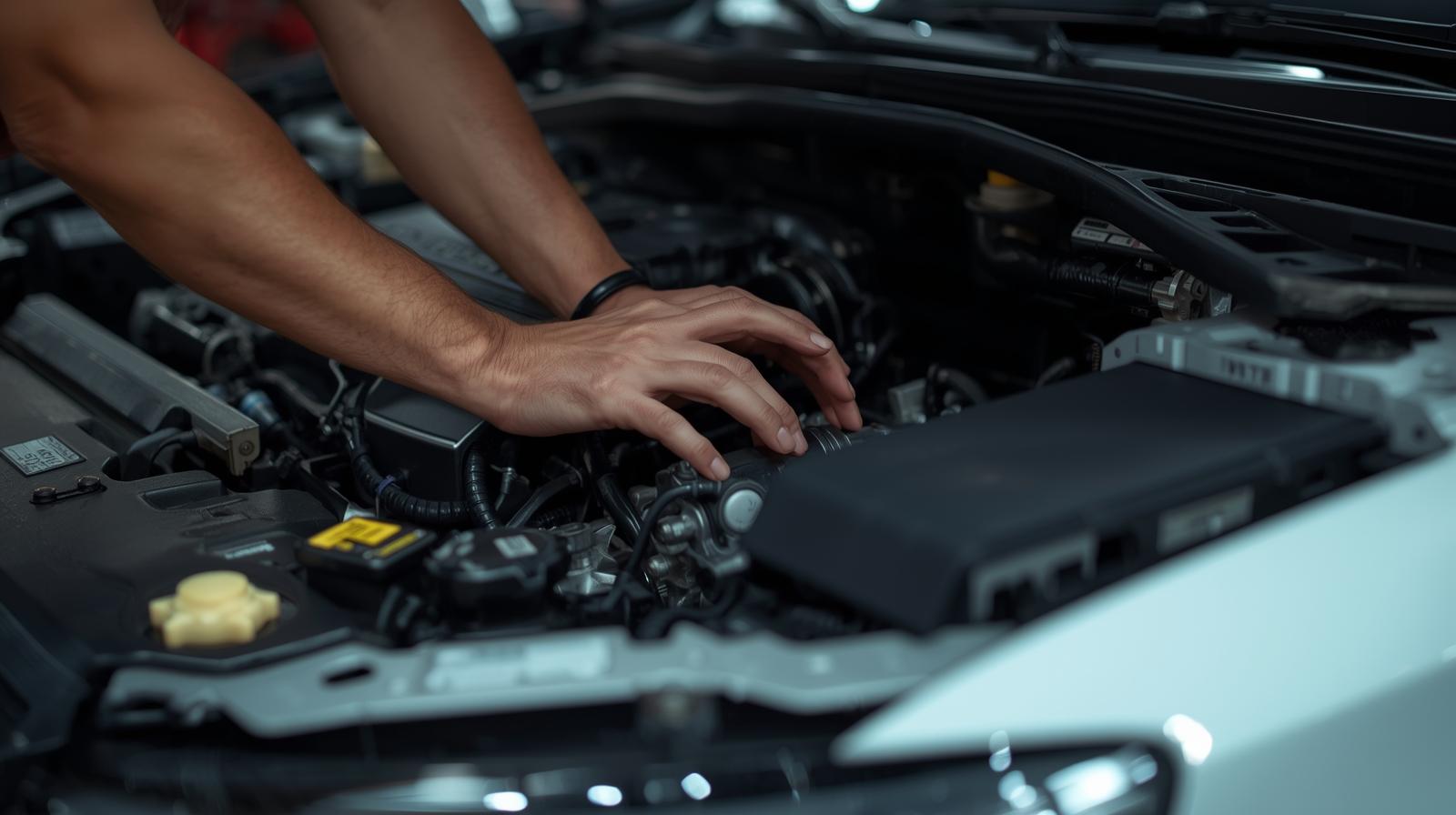
Under the Bonnet: Checking the Car's Heart
You don’t need to be a mechanic to spot basic signs of trouble. Let the engine cool down completely before you start poking around.
Fluids and Leaks
Pull out the engine oil dipstick. The oil should be a honey-brown colour. If it's black and gritty, the car may have missed a few services. Check the coolant and transmission fluid levels. Use your torch to look for any visible leaks on the engine block or on the ground underneath the car.
Belts, Hoses, and Battery
Visually inspect the rubber belts for cracks or fraying. Squeeze the large coolant hoses; they should feel firm, not mushy or brittle. Check the battery terminals for any white or blueish corrosive build-up. An expiry date on the battery can tell you if it's nearing the end of its life.
The Test Drive: Putting It to the Test
This is the most crucial part of any vehicle inspection. A test drive reveals issues that you can't see or hear when the car is stationary. Aim for a 15-20 minute drive on a route with varied conditions, including city streets, some bumps, and a stretch where you can get up to highway speed.
- Starting Up: The engine should start easily without strange noises. Let it idle and watch for any shaking or rough running.
- On the Move: Keep the radio off and listen. Pay attention to how the transmission shifts gears—it should be smooth and decisive.
- Braking and Steering: When you brake, does the car pull to one side? The pedal should feel firm, not spongy. On a straight road, the steering should feel direct, and the car shouldn't wander.
- Suspension: Drive over a few bumps and listen for any clunking or rattling sounds, which could indicate worn suspension parts.
How Long Does It Take to Do a Car Inspection?
So, how long does it take to do a car inspection properly? To follow all these steps yourself, plan for about 45 to 60 minutes. This gives you enough time to be thorough and not feel rushed by the seller.
For added peace of mind, a professional pre-purchase inspection is highly recommended. A mechanic will take 60-90 minutes to put the car on a hoist and check things you can't, like the undercarriage, exhaust system, and potential hidden rust. It's a small investment for significant security.
By knowing how to inspect a used car, especially a Japanese import, you can confidently navigate our 4WD hiace van stocks. These vehicles represent some of the best quality and value available, and with the right checks, you can drive away in a reliable and unique car.