
Ultimate Guide to Campervan Parking in Australia (Rules, Tips & Best Practices)
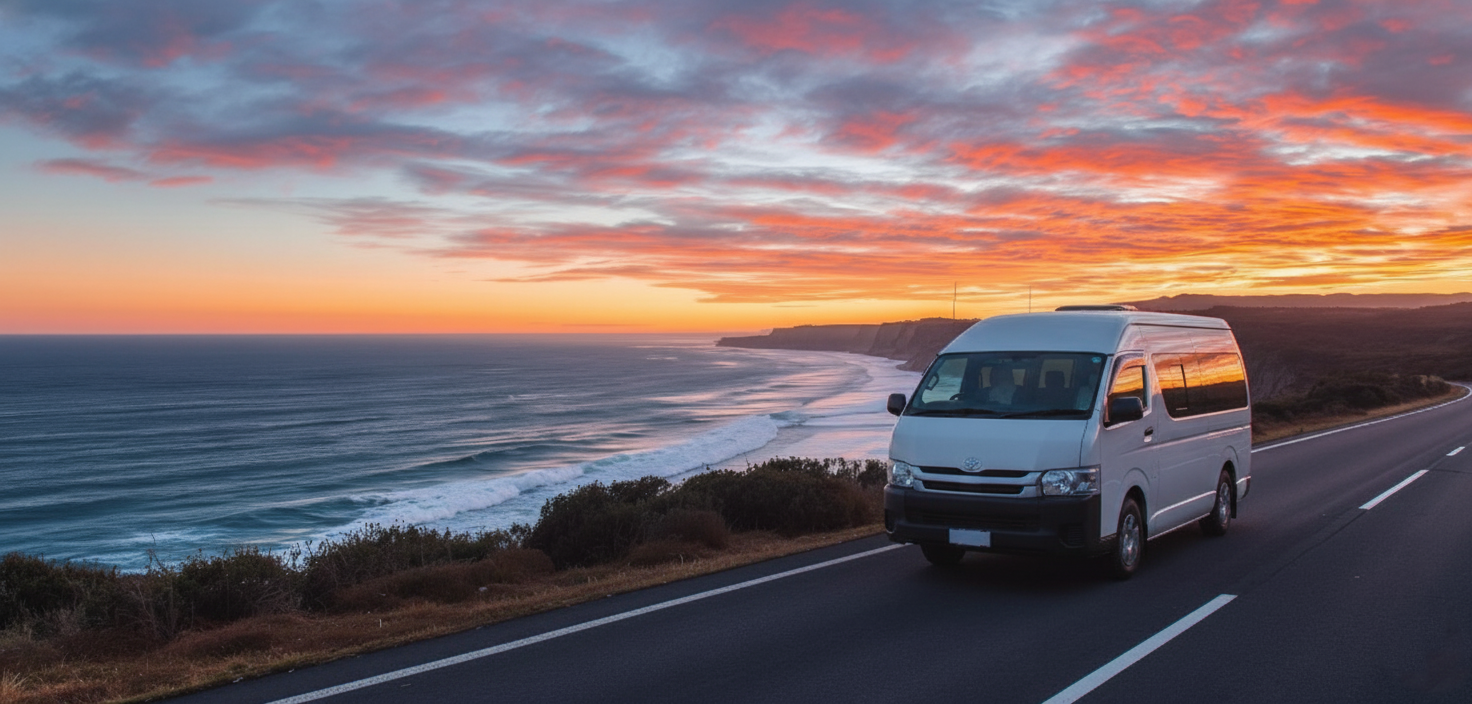
Embarking on a campervan adventure across Australia is a dream for many. The allure of the open road, stunning landscapes, and the freedom to explore at your own pace is undeniable. However, many travelers have the same pressing questions: Can you park your campervan anywhere? And can you sleep on any street? The answers are more complex than a simple yes or no. This guide will navigate the rules and regulations of campervan parking and overnight stays across the country.
Can You Stay Anywhere in a Campervan in Australia?
The short answer is no. While the idea of pulling over and setting up camp wherever your heart desires is romantic, it's not legal in most parts of Australia. The practice, often called "freedom camping" or "wild camping," is heavily regulated. Local councils and state governments have specific rules to manage environmental impact, public safety, and community comfort.
Attempting to camp in an unauthorized area can lead to significant fines. Council rangers regularly patrol popular tourist spots, coastal areas, and urban streets to enforce these regulations. Ignoring the rules not only risks a penalty but can also strain the relationship between travelers and local communities.
Designated Camping Areas: The Best Approach
The most reliable and responsible way to travel in a campervan is to use designated camping areas. These sites are purpose-built for travelers and offer a range of facilities.
- Caravan Parks: These are your all-in-one solution. They provide powered and unpowered sites, bathrooms, showers, laundry facilities, and often kitchens and recreational areas. They are a safe and comfortable option, especially for families or those on longer trips.
- National Park Campgrounds: Australia's national parks offer some of the most scenic camping spots imaginable. These campgrounds vary from basic sites with a simple toilet to more developed areas with better facilities. You almost always need to book a permit in advance, especially during peak seasons.
- Free and Low-Cost Campsites: There are thousands of designated free or low-cost campsites across Australia. These are often managed by local councils or communities. They might have limited facilities, such as a long-drop toilet and a water tank, but they provide a legal and safe place to spend the night.
Can You Park a Campervan on the Street in Australia?
Parking a campervan on a residential or city street is different from staying overnight in it. Generally, you can park your campervan on a street just like any other vehicle, provided you follow the local parking signs. Pay close attention to time limits, permit zones, and clearway restrictions.
The real issue arises when you decide to sleep in your parked campervan overnight. In most urban and residential areas, this is illegal. Local councils have bylaws prohibiting people from camping or sleeping in vehicles in public places that are not designated for camping.
Why is Sleeping on the Street Prohibited?
Councils enforce these rules for several reasons:
- Resident Complaints: Campervans parked for extended periods can take up valuable residential parking. Concerns about noise and waste are also common.
- Lack of Facilities: Streets are not equipped with toilets or waste disposal systems. This can lead to public health and environmental issues.
- Safety: Sleeping on a busy street can be unsafe. Designated campgrounds offer a more secure environment.
Some industrial areas or large, unmarked car parks might seem like a gray area, but you are still likely breaking a local bylaw by staying overnight. The risk of being woken up by a ranger and handed a fine is always present.
State-by-State Differences
Camping rules can vary significantly between Australian states and territories. It's crucial to be aware of the specific regulations for the area you are visiting.
- Queensland: Known for its strict enforcement, especially along the popular east coast. Most coastal councils prohibit freedom camping. However, the state has many designated free camping areas in more rural locations.
- New South Wales: Similar to Queensland, most coastal towns and cities like Sydney have strict rules against sleeping in vehicles. Many national parks offer excellent camping options, but they require bookings.
- Victoria: Melbourne and popular tourist routes like the Great Ocean Road have tight restrictions. Rangers are active, and fines are common. Heading inland often reveals more low-cost and free camping opportunities.
- Tasmania: Tasmania is relatively campervan-friendly, with numerous designated free campsites. However, you must still camp in marked areas. The pristine environment means that "leave no trace" principles are strictly enforced.
- South Australia: This state has a good network of council-run and national park campsites. Some regions are more lenient, but it's always best to check local council websites for specific bylaws.
- Western Australia: Given its vast size, WA has many remote areas where you might find places to camp discreetly. However, near Perth and popular tourist spots, regulations are strictly enforced. The state government provides an extensive network of park and forest campgrounds.
- Northern Territory: The NT is home to some of the country's most iconic national parks, like Kakadu and Uluru-Kata Tjuta. Camping is only permitted in designated campgrounds, and you must book well in advance.
Practical Tips for Finding Legal Campervan Spots
Finding a legal and pleasant place to park your campervan for the night is easy with the right tools and approach.
Use Apps and Websites
Several apps have become essential for road-trippers in Australia. They provide user-generated reviews, photos, and details about facilities for thousands of campsites.
- WikiCamps Australia: This is arguably the most popular and comprehensive app. It lists caravan parks, national parks, free camps, and points of interest. Users leave up-to-date reviews about site conditions and ranger activity.
- CamperMate: Another excellent free app that works similarly to WikiCamps, showing a wide range of accommodation options and travel resources.
Check Local Visitor Information Centres
When you arrive in a new town, stop by the local visitor information centre. The staff have invaluable local knowledge and can provide maps and advice on the best places to camp legally in the area. They can also inform you of any temporary closures or local events.
Respect the Rules and the Environment
The future of campervan travel in Australia depends on the behavior of travelers today.
- Always Be Self-Contained: If you plan to use free campsites, consider hiring a campervan certified as "self-contained." This means it has an onboard toilet and water storage, minimizing your impact on the environment.
- Leave No Trace: This is the golden rule of camping. Pack out everything you pack in, including all your rubbish. Use designated toilets and dispose of grey and black water only at official dump points.
- Be a Good Neighbor: Keep noise to a minimum, respect other campers, and be considerate of local residents. A positive reputation for the campervan community ensures more areas remain open and welcoming.
Conclusion: Plan Ahead for a Smooth Journey
While you can't just park and sleep anywhere in Australia, the country offers an incredible network of legal and beautiful places to stay in your campervan. By doing a little research and planning ahead, you can easily find spots that fit your budget and travel style. Using apps, respecting local laws, and following leave-no-trace principles will ensure your Australian road trip is memorable for all the right reasons.